Snacks for Toddlers – 30 Easy, Healthy Ideas
What Are the Best Snacks for Toddlers?
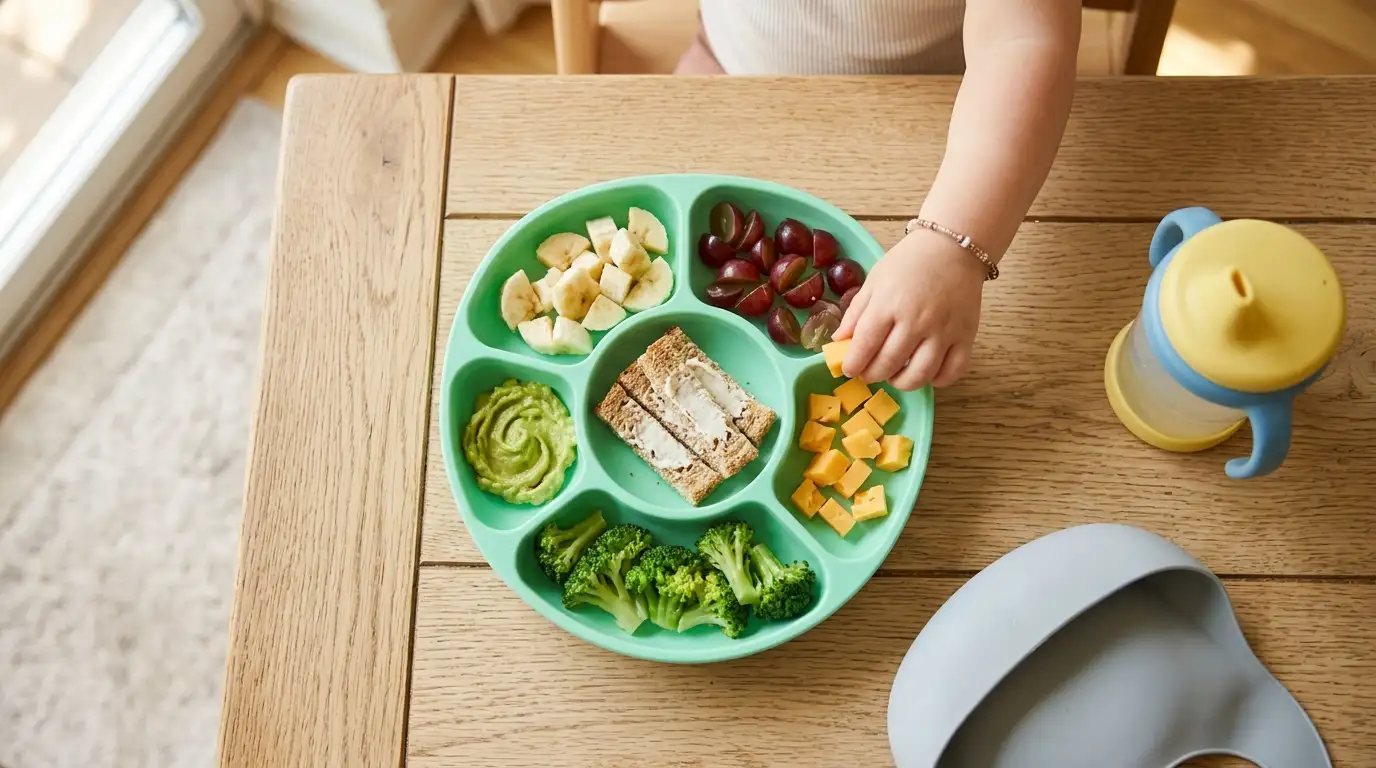
The best snacks for toddlers are soft, small, and filling. Good picks include banana pieces, plain yogurt with fruit, cheese, hard-boiled eggs, avocado, hummus, and whole-grain toast fingers. Mix one protein or healthy fat with one fruit or veggie so your child stays full. Always cut foods small and avoid choking hazards such as whole grapes, nuts, popcorn, and hot dog coins.
This guide is for toddlers about 1 to 3 years old. Every child is different, so check with your child’s doctor about allergies and special needs.
Why Toddlers Need Snacks
Toddlers have tiny tummies. They can’t eat much at one meal, so snacks help fill the gaps. A smart snack keeps your child from getting cranky and gives them energy to play and learn. Most toddlers do well with about 2 to 3 snacks a day, spaced between meals so they still come to the table hungry.
The Easy Snack Formula
Pick one item from each group. This works at home, at daycare, or on the go.
| Group | Examples |
|---|---|
| Protein or healthy fat | Yogurt, cheese, egg, hummus, avocado, nut butter (thin layer) |
| Fruit or veggie | Banana, berries, soft pear, steamed broccoli, sweet potato |
| Whole grain (optional) | Toast fingers, oat bites, plain O-shaped cereal |
30 Healthy Snacks for Toddlers (and How to Serve Them Safely)
Fruit Snacks
| # | Snack | How to Serve It Safely |
|---|---|---|
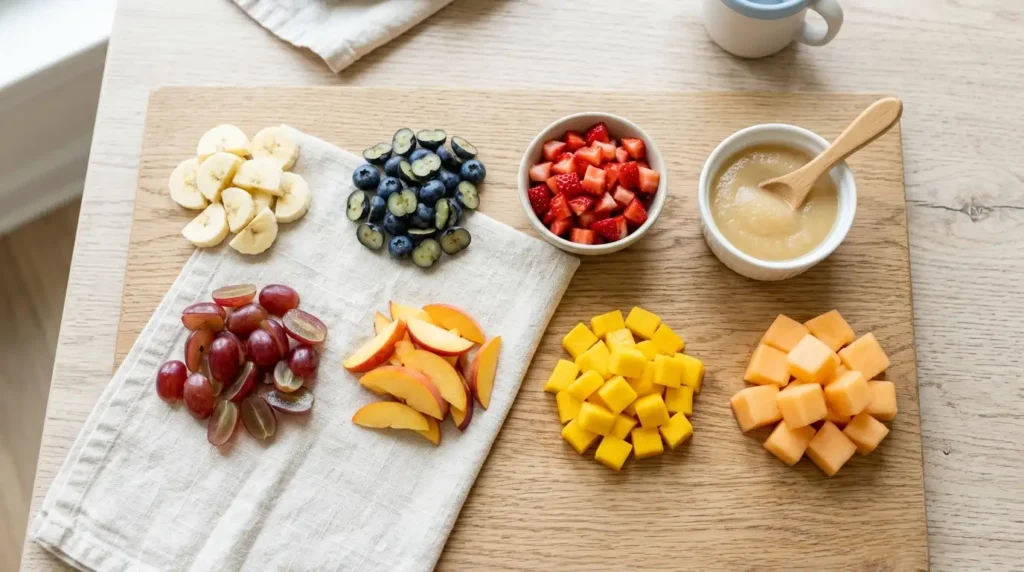
| 1 | Banana | Slice into thin coins, then halve or quarter them |
| 2 | Berries | Cut blueberries in half and dice strawberries |
| 3 | Grapes | Cut lengthwise into quarters, never whole |
| 4 | Soft ripe pear or peach | Peel and cut into small, thin pieces |
| 5 | Unsweetened applesauce | Serve in a bowl with a spoon or a pouch |
| 6 | Mango or melon | Cut into small, soft pieces |
Veggie Snacks
| # | Snack | How to Serve It Safely |
|---|---|---|
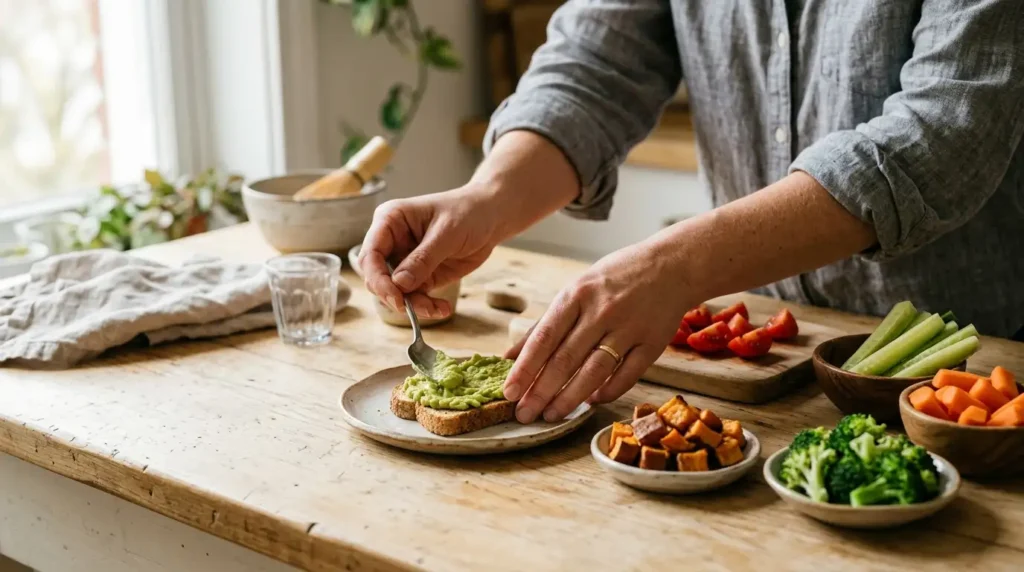
| 7 | Roasted sweet potato | Cut into soft cubes or thin sticks |
| 8 | Steamed broccoli or cauliflower | Cook until very soft and cut into small florets |
| 9 | Cucumber | Peel, then cut into thin, short sticks |
| 10 | Avocado | Slice, mash, or spread on toast |
| 11 | Cherry tomatoes | Cut into quarters, never whole |
| 12 | Cooked carrots | Steam until soft and cut small (skip raw carrots) |
Protein Snacks
| # | Snack | How to Serve It Safely |
|---|---|---|
| 13 | Hard-boiled egg | Chop or mash |
| 14 | Hummus | Spread on soft pita or use as a dip for steamed veggies |
| 15 | Plain Greek yogurt | Top with mashed or diced fruit |
| 16 | Shredded chicken or turkey | Shred or chop into tiny pieces |
| 17 | Nut or seed butter | Spread a thin layer on toast, never a thick glob |
| 18 | Soft tofu | Cut into small cubes |
Whole-Grain Snacks
| # | Snack | How to Serve It Safely |
|---|---|---|
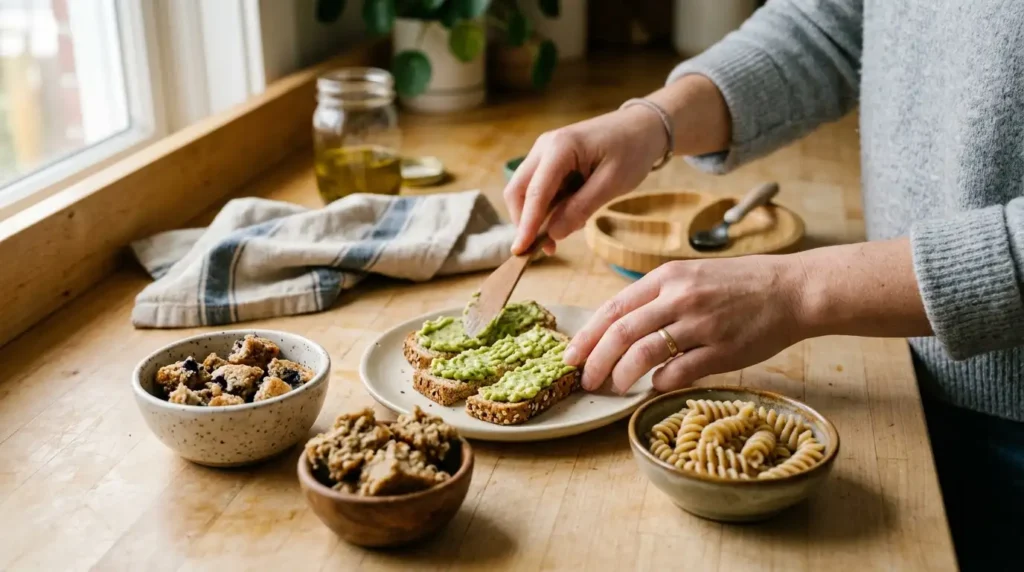
| 19 | Whole-grain toast | Cut into fingers and top with avocado or a thin spread |
| 20 | Banana oat bites | Bake until soft and break into small pieces |
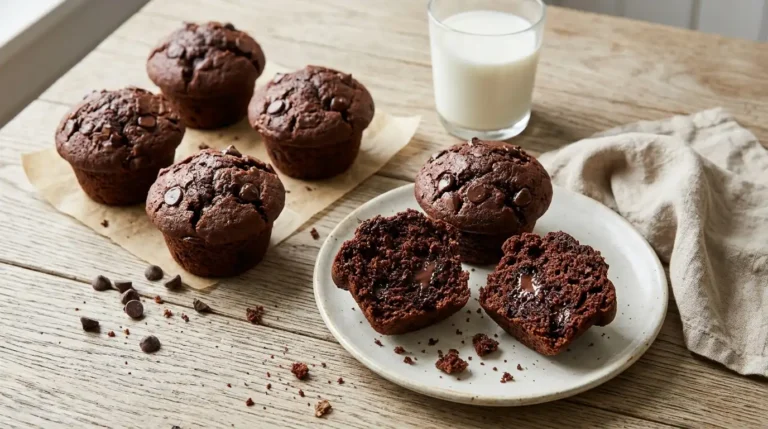
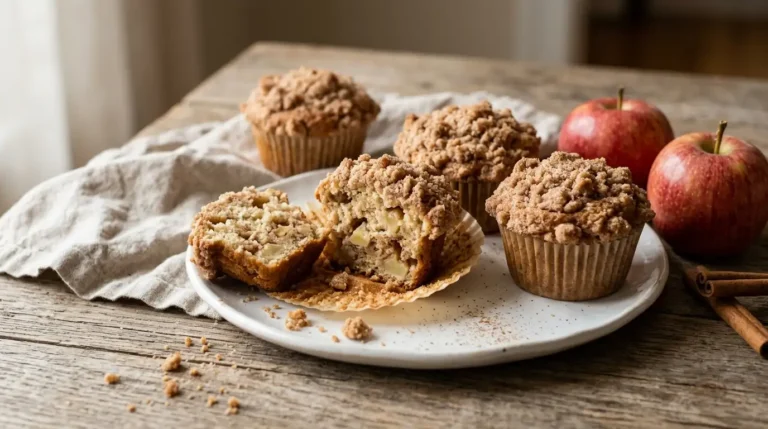
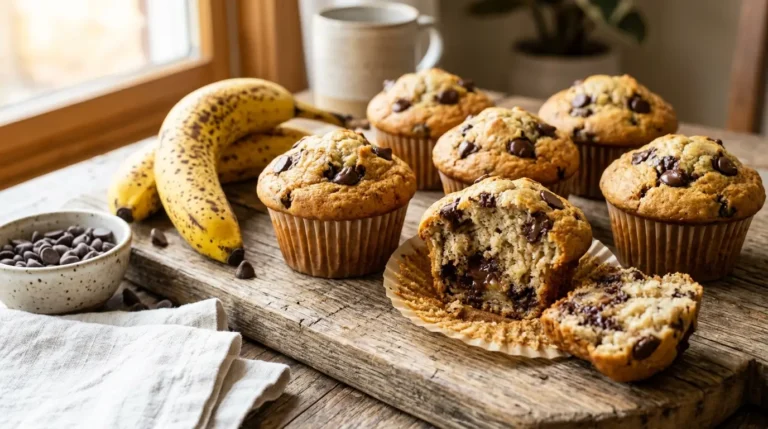
| 21 | Mini fruit or veggie muffins | Break into small pieces |
| 22 | Pasta spirals | Cook until soft, then toss with olive oil and a little cheese |
| 23 | Plain O-shaped cereal | Offer a small handful that is easy to dissolve |
Dairy Snacks
| # | Snack | How to Serve It Safely |
|---|---|---|
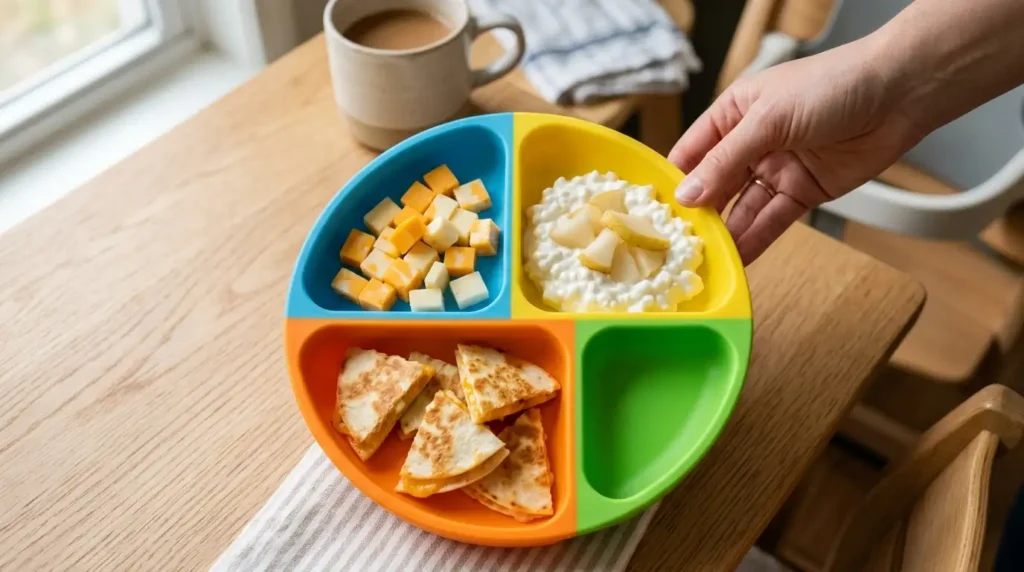
| 24 | Cheese | Cut into very small cubes or shred it |
| 25 | Cottage cheese | Serve with soft fruit like peaches or pears |
| 26 | Cheese quesadilla | Cut into small strips, then into small pieces |
Easy On-the-Go Snacks
| # | Snack | How to Serve It Safely |
|---|---|---|
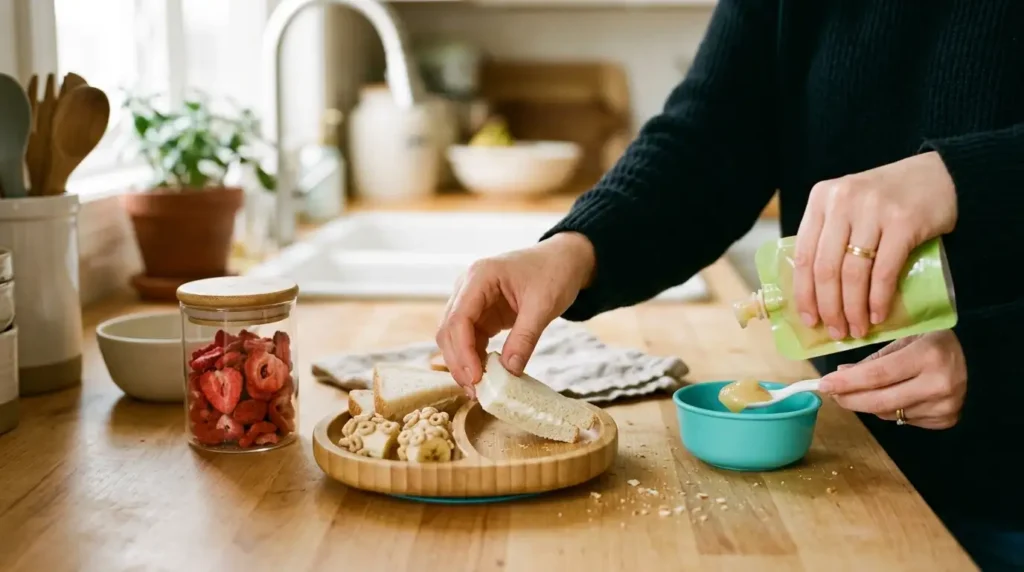
| 27 | Freeze-dried fruit | Choose the kind that melts in the mouth and offer small amounts |
| 28 | Mini sandwich quarters | Use soft bread and a mild filling like cream cheese and fruit |
| 29 | Banana and cereal bites | Roll banana pieces in crushed cereal |
| 30 | Unsweetened applesauce pouch | Squeeze onto a spoon so your child doesn’t suck it out fast |
Choking Hazards to Avoid or Change
Choking is a big worry with toddlers. Round, hard, sticky, and dry foods are the riskiest. The American Academy of Pediatrics says children under 4 should not get round, firm foods unless they are cut into very small pieces.
| Food | Why It’s Risky | Safer Way |
|---|---|---|
| Hot dogs and sausages | The tube shape can block the airway | Cut lengthwise into strips, then into tiny pieces (or skip them) |
| Whole grapes and cherry tomatoes | Round and slippery | Cut lengthwise into quarters |
| Whole nuts and seeds | Hard to chew, with sharp edges | Skip them, or use ground nuts or thin nut butter |
| Popcorn | Dry and hard to chew | Skip it until your child is about 4 or older |
| Raw carrots and hard raw veggies | Hard to chew | Steam until soft, or shred |
| Large globs of nut butter | Sticky and can stick in the throat | Spread a thin layer |
| Hard candy and gum | Can block the airway | Skip them |
| Chunks of meat or cheese | Too big to chew well | Cut into very small pieces |
Safe snack-time rules:
- Stay with your child the whole time and keep them seated.
- Avoid snacks in the car. Choking is silent, so you may not hear it happen.
- Discourage running, playing, and laughing with food in their mouth.
- Cut food into pieces about the size of half your pinky finger.
- Learn infant and toddler CPR. Many local hospitals and Red Cross chapters offer classes.
Easy 5-Minute Snack Plates
| Plate | What’s On It |
|---|---|
| Fruit and yogurt | Plain yogurt, diced banana, a few halved blueberries |
| Mini toast plate | Whole-grain toast fingers, mashed avocado, chopped egg |
| Dip and dunk | Hummus, soft steamed broccoli, soft pita pieces |
| Cheesy bites | Tiny cheese cubes, soft pear, cereal |
| Breakfast for snack | Oat banana bites, applesauce, cottage cheese |
Tips for Picky Eaters
- Offer small portions. A few tablespoons is plenty. You can always give more.
- Serve new foods with a favorite. Put one new food next to something your child already likes.
- Try different textures. Offer the same food mashed, soft, or in small pieces.
- Let them help. Toddlers love picking from a plate or stirring batter.
- Keep trying. It can take many tries before a toddler accepts a new food, so stay calm.
- Skip pressure. Let your child decide how much to eat.
What to Limit
- Sugary drinks and lots of juice
- Snacks with added sugar or lots of salt
- Highly processed snacks that offer little nutrition
- Honey, which is not safe for babies under 1 year
Allergy and Daycare Notes
Common allergy foods include peanuts, eggs, milk, and tree nuts. Talk with your child’s doctor about when and how to introduce them. Many daycares and schools are nut-free, so check their rules before packing snacks.
FAQs
What are good healthy snacks for toddlers?
Good snacks include banana pieces, plain yogurt with fruit, cheese cubes, hard-boiled eggs, avocado, hummus, steamed veggies, and whole-grain toast fingers. Pair a protein or healthy fat with a fruit or veggie so your toddler stays full.
How many snacks should a toddler have each day?
Many toddlers do well with about 2 to 3 snacks a day between meals. Your child’s age, appetite, and routine can change that, so ask your child’s doctor if you are unsure.
What foods are choking hazards for toddlers?
The biggest risks are hot dogs, whole grapes, whole nuts and seeds, popcorn, raw carrots, hard candy, gum, and large globs of nut butter. Cut round foods into small pieces and skip the riskiest ones until your child is older.
How do I cut grapes and hot dogs for a toddler?
Cut grapes lengthwise into quarters. Cut hot dogs lengthwise into strips and then into tiny pieces, never coins. Many experts also suggest skipping hot dogs for young toddlers.
Can toddlers eat nut butter?
Thin layers of smooth nut butter spread on toast are often used, but thick globs and whole nuts are choking hazards. Ask your child’s doctor when to introduce peanuts and other allergy foods.
What are good on-the-go snacks for toddlers?
Try plain O-shaped cereal, freeze-dried fruit that melts in the mouth, banana and oat bites, mini sandwich quarters, and applesauce pouches. Eat them while your child is seated, and avoid car snacks when you can.